
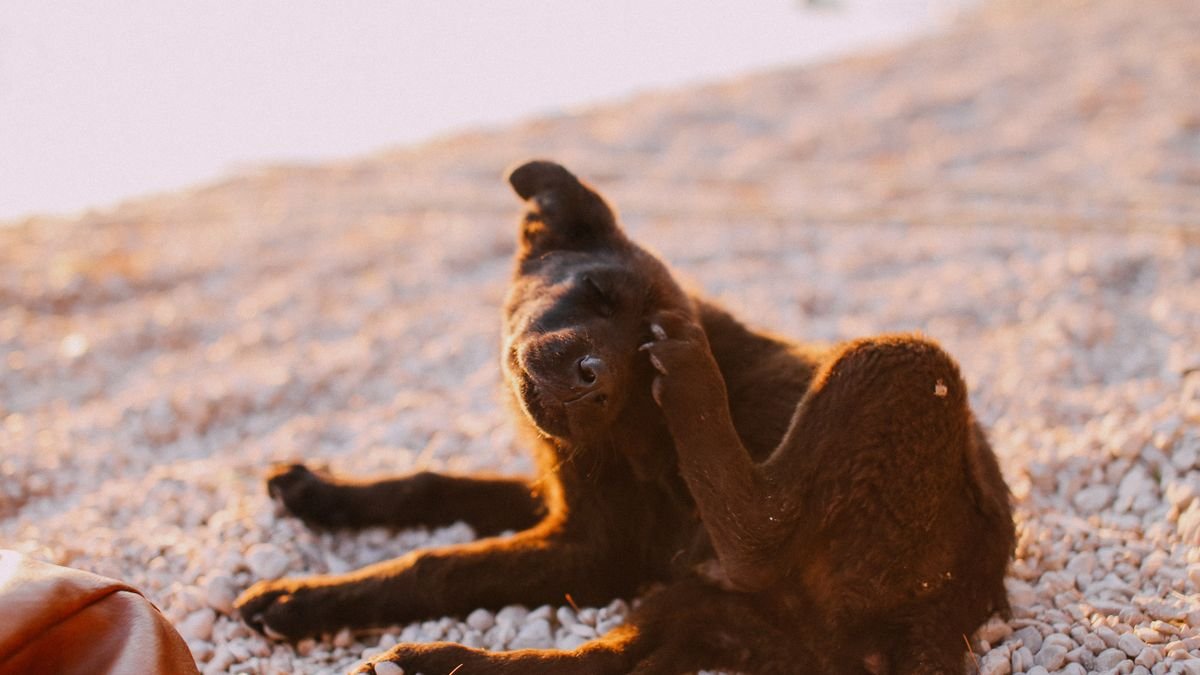
A hot spot is a red, moist, painful patch of inflamed skin that can appear and spread within hours, usually when a dog licks or scratches an itchy area. They are common in warm, humid weather. Prompt care stops the cycle. Peace Arch Veterinary Hospital in Surrey and White Rock can help your dog heal quickly.
What a hot spot is
A hot spot, known medically as acute moist dermatitis, is a localized area of red, inflamed, often oozing skin that develops rapidly. It is typically warm, painful, and itchy, and the hair over it is usually lost or matted down with discharge. Hot spots most often appear on the head, neck, hips, or the base of the tail, and they can grow alarmingly fast, sometimes from a small spot to a large sore within hours.
How hot spots form
Hot spots are driven by a vicious itch-scratch cycle. Something makes a patch of skin itchy or irritated, the dog licks, scratches, or chews at it, and that self-trauma damages the skin and lets bacteria take hold. The resulting infection itches and hurts even more, so the dog keeps at it, and the area spreads. Breaking this cycle quickly is the key to healing, which is why hot spots respond best to prompt treatment.
What triggers them
Anything that makes the skin itchy can start a hot spot. Common triggers include fleas and flea allergy, environmental and food allergies, ear infections, moisture trapped in the coat after swimming or bathing, matted fur, and even boredom or stress that leads to licking. Thick-coated breeds and dogs in warm, humid weather are especially prone, which is why hot spots are a familiar summer problem along the coast.
Why hot spots need veterinary care
Because hot spots can spread so quickly and are genuinely painful, they usually need veterinary attention rather than waiting them out. Your veterinarian can treat the infection properly, relieve the itch and pain that fuel the cycle, and, importantly, look for the underlying trigger so it does not simply happen again. Our medical services and diagnostics teams can check for fleas, allergies, ear infections, or other causes hiding beneath the surface.
What not to do at home
It is tempting to reach for a home remedy, but several common ones can make things worse. Avoid human creams and ointments unless your veterinarian recommends them, since some are harmful if licked off, and do not use hydrogen peroxide or rubbing alcohol, which damage healing tissue. Do not let your dog keep licking the area, and resist shaving or scrubbing it yourself. The safest first step is to stop the licking, gently if you can, and book a visit.
Treatment and prevention
Treatment usually involves clipping the fur around the spot to let it dry and breathe, gently cleaning it, and using medicine to clear infection and calm inflammation, along with something to stop the licking, such as a recovery cone. Most hot spots improve quickly once treated. Preventing the next one means tackling the trigger: keep up year-round flea prevention, manage allergies, dry your dog well after swimming, keep the coat groomed and mat-free, and address ear problems early. Regular care through our wellness program and pet care services helps keep skin healthy.
Helping your dog heal comfortably
Once treatment begins, a few things at home help your dog heal faster. The single most important is to stop the licking and chewing that started the problem, which usually means using the recovery cone your veterinarian provides, even though dogs protest it. Keep the area clean and dry as directed, and avoid bathing or applying anything to it unless your veterinary team advises, since moisture and the wrong products can slow healing.
Give all medicine for the full course, even after the spot looks better, and watch for the area spreading or your dog seeming more uncomfortable, which are reasons to call. Most hot spots improve within days once the cycle is broken. Keeping your follow-up appointment lets your veterinarian confirm it has healed and check that the underlying trigger is being managed.
Frequently asked questions
How fast can a hot spot appear?
Very fast. A hot spot can grow from a small irritated patch to a large, painful sore within hours, which is why prompt attention matters. The quicker the cycle is broken, the quicker it heals.
Can I treat a hot spot at home?
Stopping the licking and booking a visit is the safest start, but hot spots usually need veterinary treatment to clear the infection and address the cause. Avoid human creams, peroxide, or alcohol, which can worsen it.
Why does my dog keep getting hot spots?
Recurring hot spots point to an underlying trigger such as allergies, fleas, or ear infections. Identifying and managing that root cause is what finally stops the cycle of repeated flare-ups.
Are certain dogs more prone to hot spots?
Yes. Thick-coated and double-coated breeds, dogs with allergies, and those who swim often or live in warm, humid weather are more prone. These dogs benefit from extra coat and skin care.
Do hot spots hurt my dog?
Yes, they are painful as well as itchy, which is part of why dogs keep licking them. Relieving the pain and itch is an important part of treatment and helps healing.
How can I prevent hot spots?
Keep up flea prevention, manage allergies, dry your dog thoroughly after swimming or baths, keep the coat groomed and free of mats, and treat ear or skin issues early. Good skin health is the best prevention.
Spotted a red, oozing patch on your dog? Have it checked promptly by the team at Peace Arch Veterinary Hospital before it spreads.