
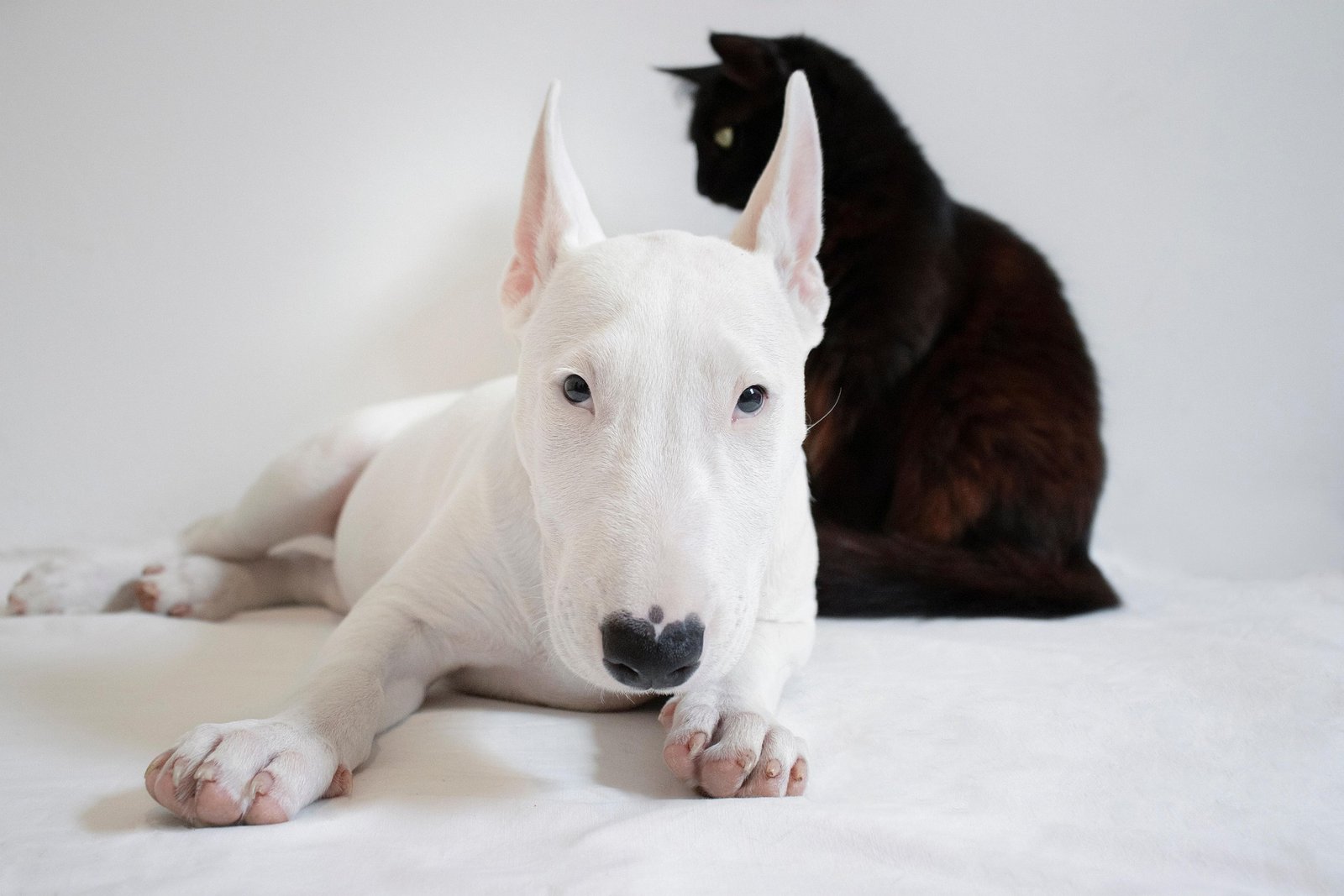
Spring in South Surrey brings warmer weather, longer days, and increased opportunities for outdoor activity with your pets. It is also the ideal time to assess your dog or cat’s weight and nutrition plan after the quieter winter months. Maintaining a healthy weight is one of the most important things you can do for your pet’s long-term health. Whether you walk your dog along the White Rock Promenade or your cat enjoys watching birds from a sunny window in Ocean Park, proper nutrition and portion control set the foundation for a healthy, active life.
Why Spring Is the Right Time to Reassess Your Pet’s Weight
Many dogs and cats gain weight during the winter months when outdoor activity decreases and indoor routines become more sedentary. A few extra treats during the holiday season or slightly larger portions on cold evenings can add up gradually. By the time spring arrives in South Surrey, even a modest weight gain can affect your pet’s mobility, joint health, and overall energy levels.
Carrying excess weight increases the risk of several health concerns in both dogs and cats, including joint stress, reduced cardiovascular fitness, and metabolic changes. For dogs who enjoy walks along the White Rock Promenade or play sessions at Crescent Beach, extra weight places additional strain on joints and can reduce their enjoyment of these activities. Cats carrying excess weight may become less active and more prone to grooming difficulties. A comprehensive wellness assessment at our clinic can help determine your pet’s ideal weight range and identify any underlying factors contributing to weight gain.
Portion Control and Nutrition Fundamentals
One of the most common contributors to pet weight gain is overfeeding, often without the owner realising it. Feeding guidelines printed on pet food packaging are general estimates and may not account for your pet’s individual metabolism, activity level, or age. A dog who walks three kilometres along the Semiahmoo Bay shoreline daily has different caloric needs than a dog who primarily stays indoors.
Measuring your pet’s food with a standard measuring cup or kitchen scale is a simple and effective step toward better portion control. Avoid free-feeding, where food is left available throughout the day, as this makes it difficult to monitor intake. Instead, offer measured meals at consistent times. Our nutrition counselling team can help you calculate the right daily caloric intake for your pet based on their species, breed, age, weight, and activity level.
Treats are another area that often contributes to excess calories. Many commercial treats are calorie-dense, and even small amounts can account for a significant portion of your pet’s daily energy needs. As a general guideline, treats should make up no more than ten per cent of your pet’s total daily calories. Consider using small pieces of pet-safe vegetables, such as carrots or green beans, as lower-calorie alternatives for training rewards.
BBQ Season Safety and Increasing Spring Activity
As the weather warms and barbecue season begins in South Surrey backyards, pets face additional nutritional risks. Fatty meats, cooked bones, corn cobs, onions, garlic, and foods containing xylitol are all hazardous to dogs and cats. Well-meaning guests may offer table scraps without realising the risks. Establish clear guidelines with family and visitors about not feeding your pet from the grill or the table.
Spring is also an excellent time to gradually increase your pet’s physical activity. For dogs, longer walks along the White Rock Promenade, the trails near Peace Arch Provincial Park, or the paths through Sunnyside offer enjoyable ways to burn calories and improve cardiovascular health. Start with moderate increases in distance and pace, especially if your dog has been less active during winter. Sudden bursts of intense exercise can strain joints and muscles in dogs who are not conditioned for it.
For cats, indoor enrichment activities such as interactive toys, puzzle feeders, and climbing structures encourage movement and mental stimulation. Even ten to fifteen minutes of active play twice daily can make a meaningful difference in your cat’s weight management. Our pet care team can recommend age-appropriate and species-appropriate activity plans tailored to your pet’s current fitness level.
At Peace Arch Veterinary Hospital, located at 124-1959 152 St in South Surrey, we are open seven days a week with very extended hours: Monday through Thursday from 8 a.m. to 9 p.m., Friday from 8 a.m. to 7 p.m., and Saturday and Sunday from 8 a.m. to 5 p.m. Our team offers comprehensive nutrition counselling and weight management plans to help your dog or cat achieve and maintain a healthy weight throughout every season.
Frequently Asked Questions
Q: How do I know if my dog or cat is overweight?
A: You should be able to feel your pet’s ribs without pressing hard, and your pet should have a visible waist when viewed from above. If you are unsure, our veterinary team can perform a body condition assessment and recommend an ideal weight range for your pet.
Q: How much should I feed my dog or cat each day?
A: Daily food amounts depend on your pet’s species, breed, age, weight, and activity level. The guidelines on food packaging are general estimates. Contact Peace Arch Veterinary Hospital at (604) 536-3131 for a personalized feeding plan based on your pet’s individual needs.
Q: Are table scraps safe for pets during barbecue season?
A: Most barbecue foods are not safe for pets. Fatty meats, cooked bones, corn cobs, onions, garlic, and foods containing xylitol can cause serious illness. Keep pets away from the grill and establish clear rules with guests about not sharing food.
Q: How can I help my indoor cat lose weight?
A: Increase daily play sessions to at least ten to fifteen minutes twice daily using interactive toys. Switch to measured meals instead of free-feeding, and consult your veterinarian about a calorie-controlled diet appropriate for your cat’s age and health status.
Q: When should I consult a veterinarian about my pet’s weight?
A: If your pet has gained or lost weight noticeably, has difficulty exercising, or shows changes in appetite or energy levels, schedule a veterinary assessment. Early intervention makes weight management easier and more effective.
Ready to start a nutrition and weight management plan for your pet? Book a nutrition counselling appointment online or call us at (604) 536-3131. Peace Arch Veterinary Hospital is located at 124-1959 152 St in South Surrey, serving White Rock, Ocean Park, Crescent Beach, and Sunnyside.
Published by the team at Peace Arch Veterinary Hospital.
This article is for general educational purposes only and does not constitute veterinary advice. Always consult a licensed veterinarian before making decisions about your pet’s health. If you have concerns, contact Peace Arch Veterinary Hospital at (604) 536-3131.